CAS番号7254-19-5の5-ブロモ-2-インドールカルボン酸は、医薬品合成および医薬品化学における重要な中間体として広く認識されている高純度複素環式化合物です。当社は専門サプライヤーとして、製造工程全体を通して厳格な品質管理基準を遵守し、グローバルな医薬品研究開発および精密化学品製造における厳しい要件を満たす製品を提供しています。
製品名 :
5-ブロモ-2-インドールカルボン酸CAS番号 :
7254-19-5応用 :
オルフォルグリプロン中間体5-ブロモ-2-インドールカルボン酸は、白色から淡黄色の結晶性粉末として得られる高純度インドール誘導体です。医薬品化学におけるコア骨格として、5位の臭素原子と2位のカルボキシル基という2つの重要な反応部位を有しており、複雑な複素環化合物の構築に理想的な前駆体です。当社は、厳格な合成管理と再結晶プロセスを通じて、高純度と優れた色安定性を確保し、世界中の幅広い革新的な医薬品開発および受託合成のお客様にサービスを提供しています。
物件
外観:白色の固体
融点: 284~288℃(文献値)
沸点: 467.4±30.0 °C (予測値)
密度:1.863±0.06 g/cm³(推定値)
pKa: 3.51±0.30
保管温度室温で、密封し、光を避けて保管してください。
溶解度DMSO、メタノール、アルカリ水溶液に可溶。水および非極性溶媒にはわずかに溶ける。
仕様
| 商品 | 仕様 |
| 外観 | 白色の固体 |
| 分析HPLCによる | 98.8% |
| 純度 | 100.0% (99.9727%) |
アプリケーション
5-ブロモインドール-2-カルボン酸(CAS:7254-19-5)は、医薬品の研究開発において幅広い用途を持つ多機能有機合成中間体である。
- 医薬品中間体:
NMDA受容体拮抗薬:脳卒中や神経変性疾患の治療薬(ガベスチネル類似体など)の合成に使用される主要な原料。
抗ウイルス薬および抗がん薬:これらの薬剤のキナーゼ骨格は、複合体や抗菌性腫瘍薬の開発によく用いられる。
- 構成要素:
二官能性反応:5位の臭素原子は、鈴木カップリング反応、ヘックカップリング反応、その他のカップリング反応を起こしてアリール基またはアルケニル基を導入できます。2位のカルボキシル基は、アミド化、エステル化、または脱炭酸反応を起こして、多様な分子ライブラリーを構築できます。
生物学的プローブ:受容体結合研究のために、蛍光標識または放射性標識された生物活性プローブを合成するために使用される。
パッケージ
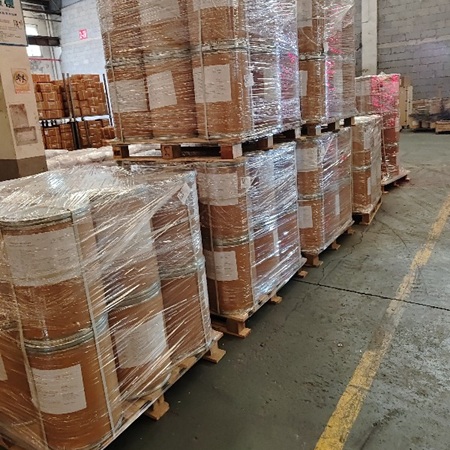
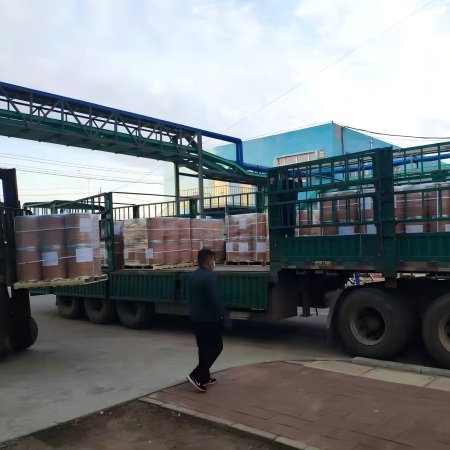
標準梱包:25kg/段ボールドラム(二重ポリエチレン袋で内張り)
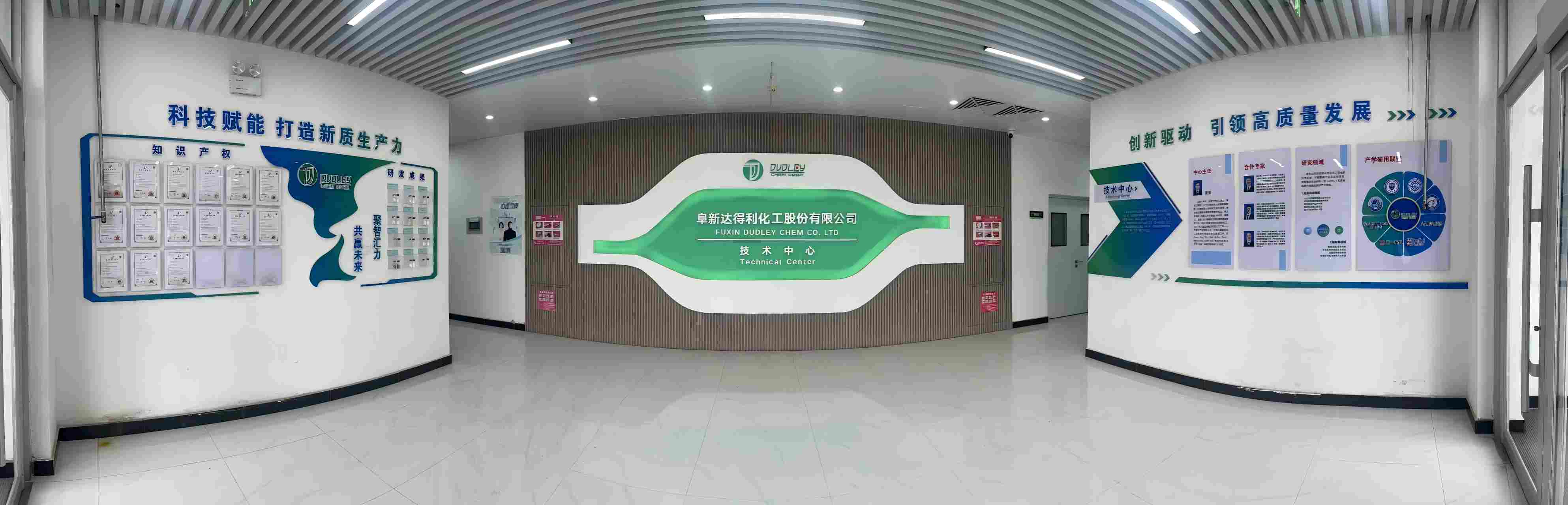
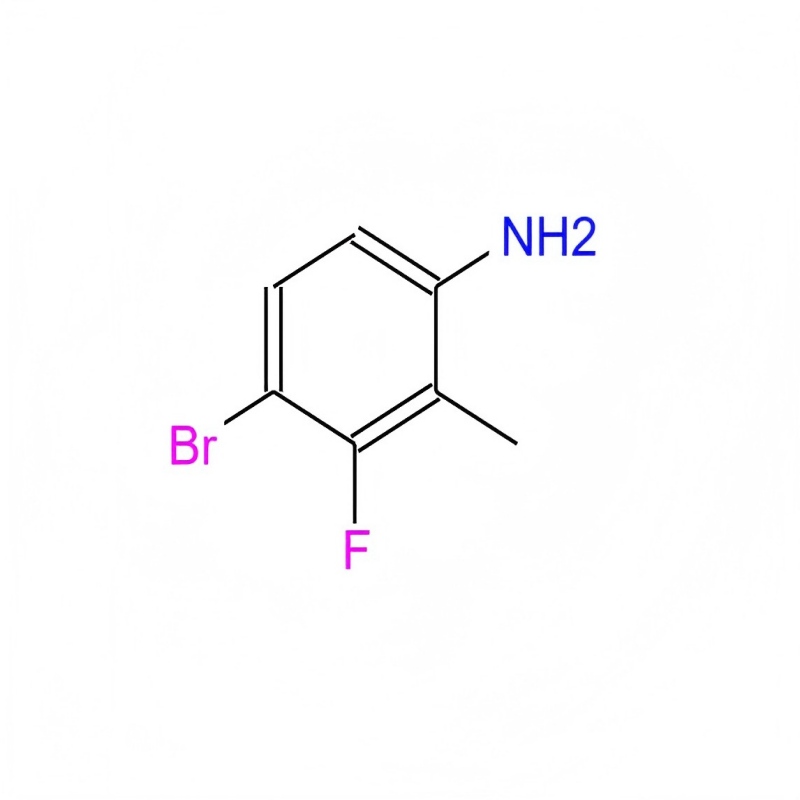
フッ素含有化合物である4-ブロモ-3-フルオロ-2-メチルアニリン(CAS 127408-03-1)は、複雑な有機化合物の合成における重要な構成要素である。 DUDLEY社は、洗練された合成プロセスと厳格な品質管理措置を用いて、4-ブロモ-3-フルオロ-2-メチルアニリン(CAS: 127408-03-1)を製造しており、医薬品および農薬業界の厳しい基準を満たす99%以上の純度を保証しています。 DUDLEYは、包括的な技術サポートとグローバルな供給能力により、ラボ規模の研究開発から商業規模の製造まで、お客様の生産ワークフローにこの中間体をシームレスに統合することを可能にします。
もっと見る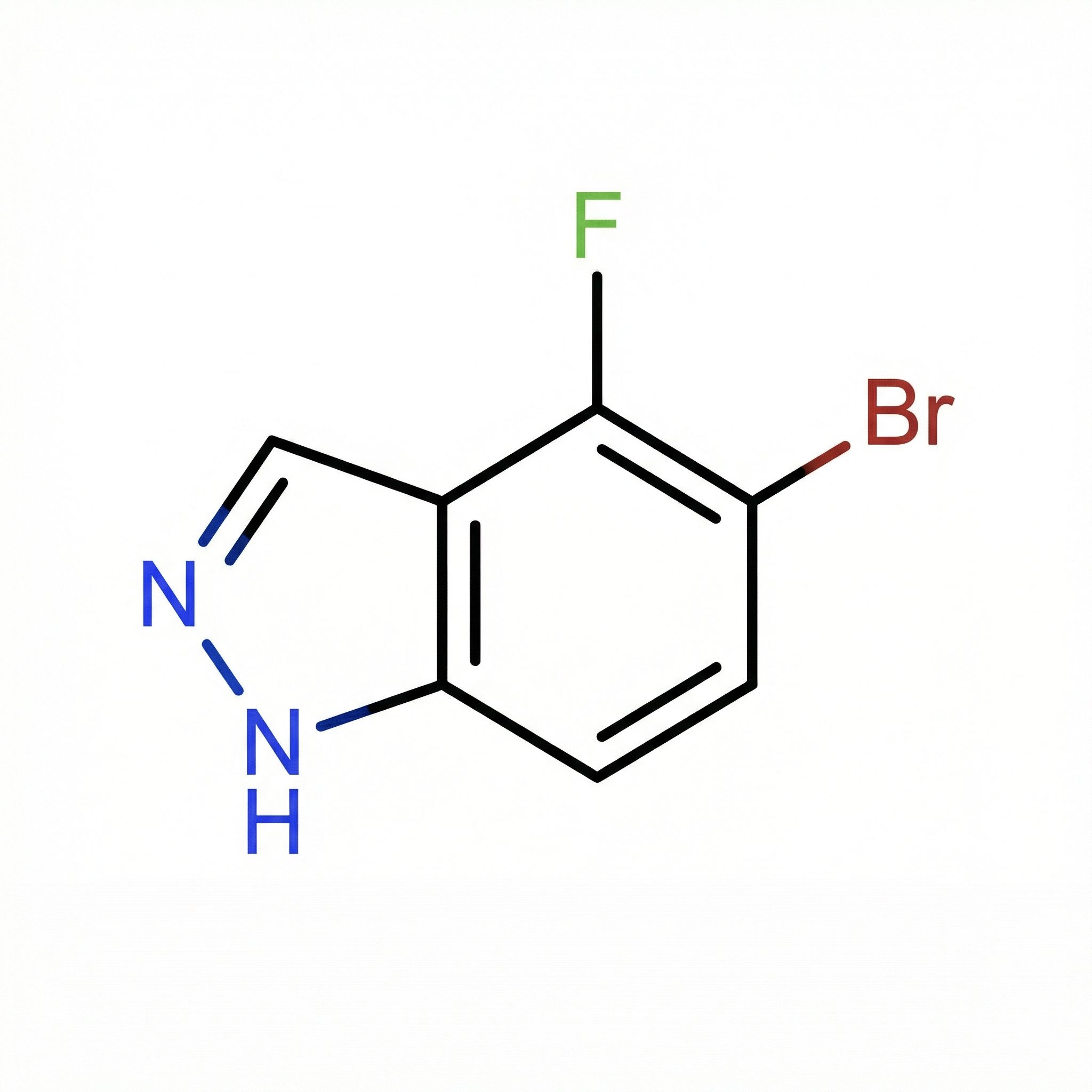
CAS番号1082041-85-7の5-ブロモ-4-フルオロ-1H-インダゾールは、医薬品合成における重要な中間体として広く認識されている高純度複素環式化合物です。当社は専門サプライヤーとして、製造工程全体を通して厳格な品質管理基準を遵守し、グローバルな創薬および原薬製造における厳しい要件を満たす製品を提供しています。
もっと見る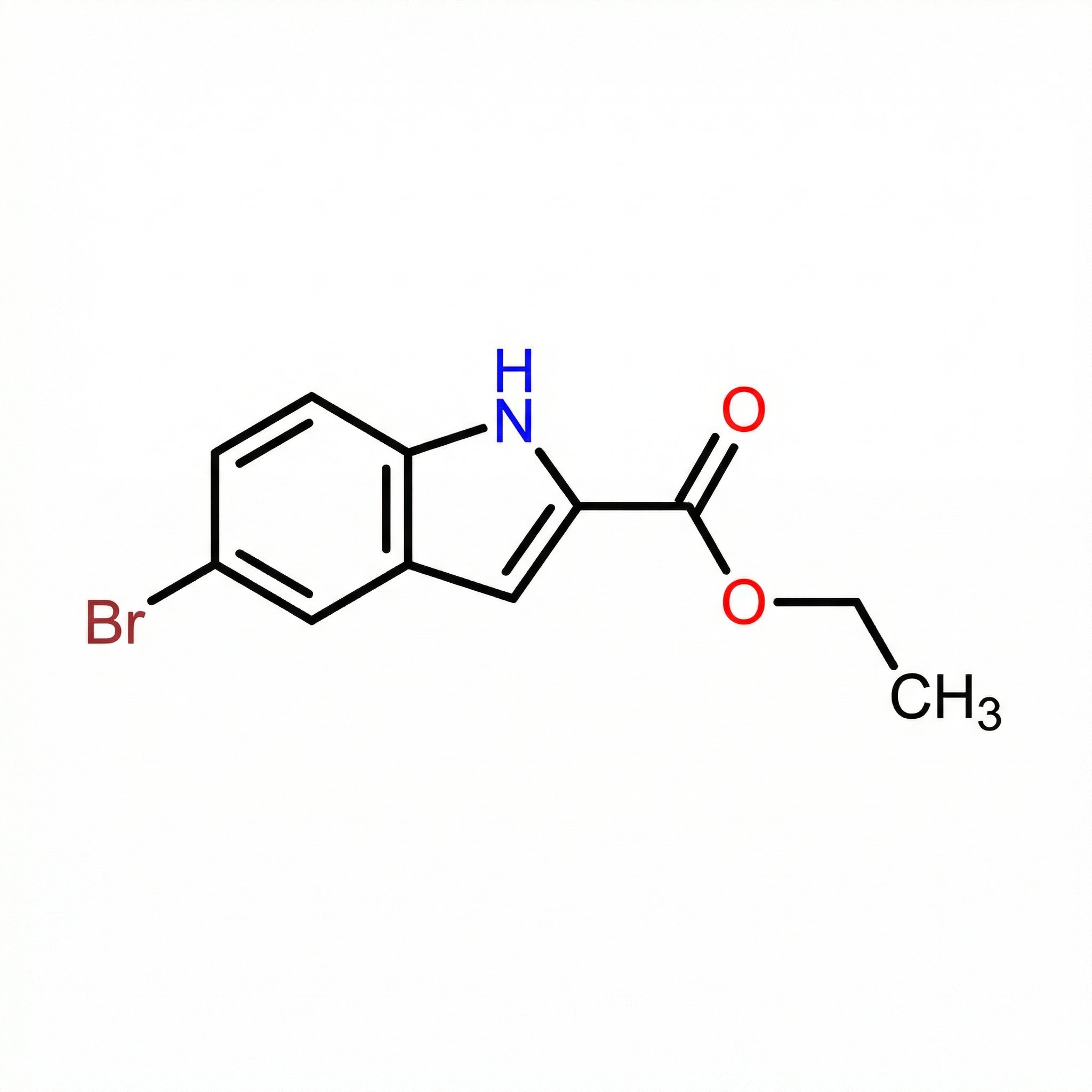
CAS番号16732-70-0の5-ブロモ-1H-インドール-2-カルボン酸エチルは、医薬品合成および医薬品化学における重要な中間体として広く認識されている高純度インドール誘導体です。当社は専門サプライヤーとして、製造工程全体を通して厳格な品質管理基準を遵守し、医薬品研究開発およびファインケミカル業界の厳しい要求を満たす製品を提供しています。
もっと見る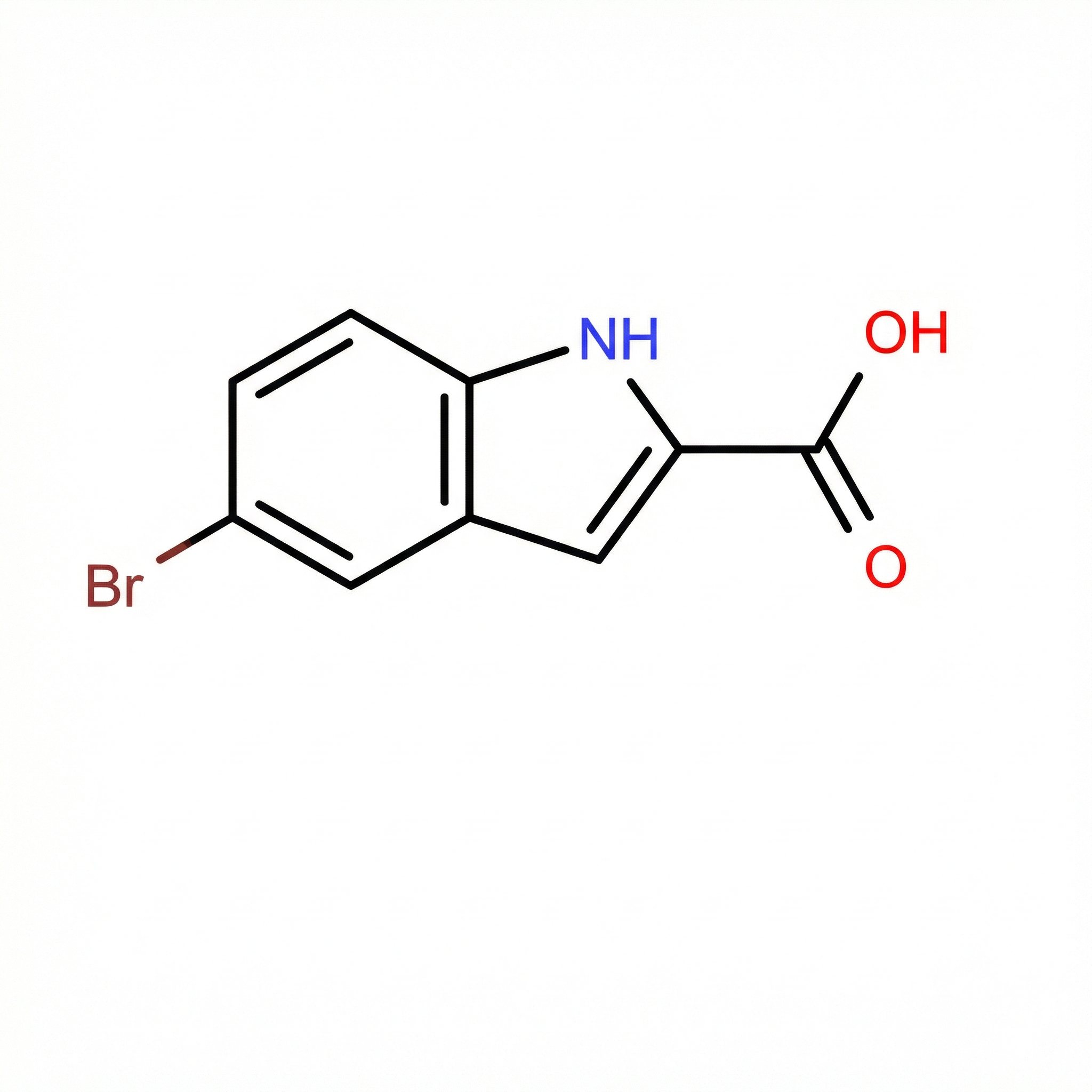
CAS番号7254-19-5の5-ブロモ-2-インドールカルボン酸は、医薬品合成および医薬品化学における重要な中間体として広く認識されている高純度複素環式化合物です。当社は専門サプライヤーとして、製造工程全体を通して厳格な品質管理基準を遵守し、グローバルな医薬品研究開発および精密化学品製造における厳しい要件を満たす製品を提供しています。
もっと見る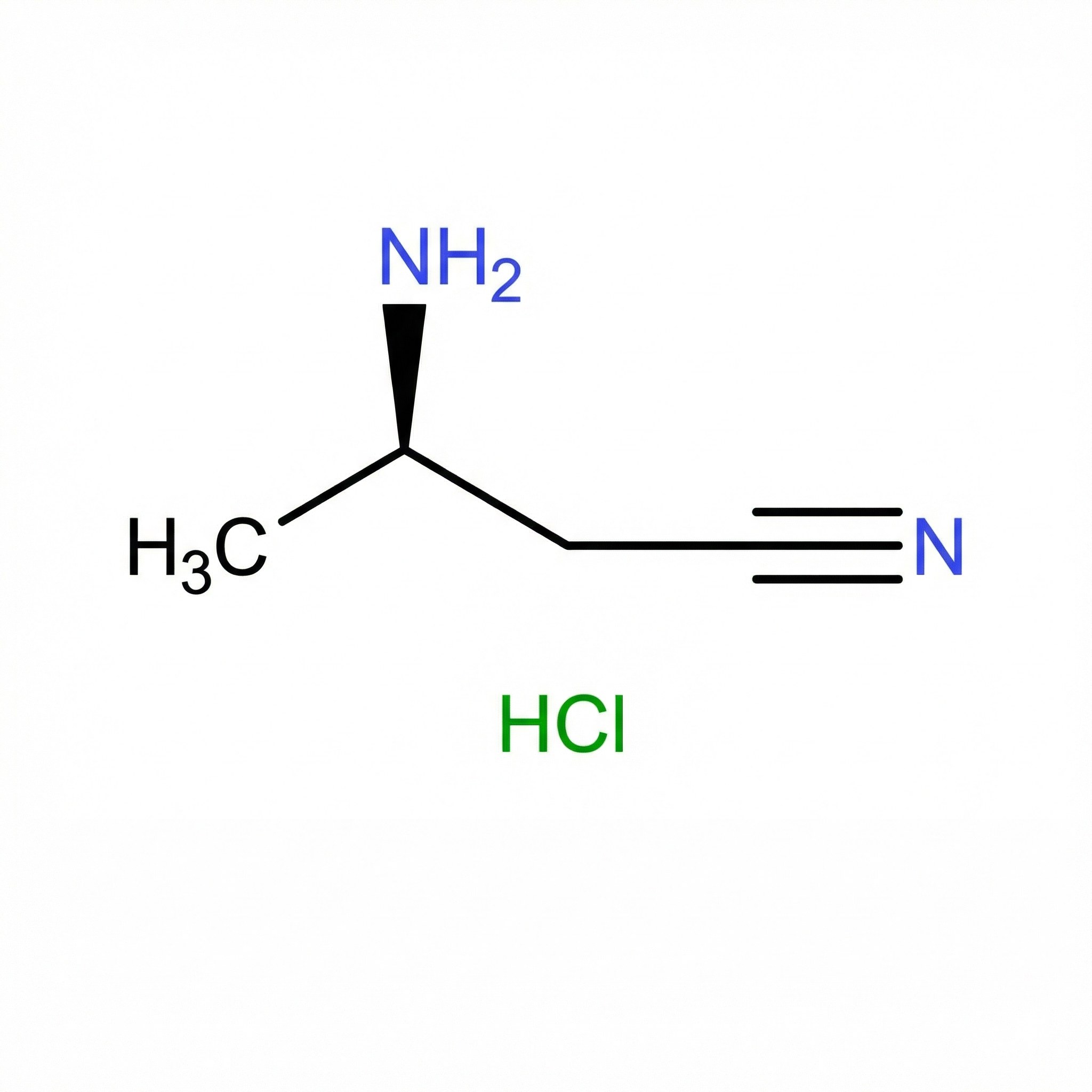
CAS番号1073666-54-2の(S)-3-アミノブタンニトリル塩酸塩は、DPP-4阻害剤アログリプチン(安息香酸塩)の合成における重要な中間体として広く認識されている高純度キラルビルディングブロックです。当社は専門サプライヤーとして、高度な不斉合成技術を活用し、卓越した光学純度(ee ≥ 99.5%)と安定性を保証しています。また、包装および保管時には厳格な水分管理対策を講じ、製品を最適な状態で世界中のお客様にお届けできるよう努めています。
もっと見る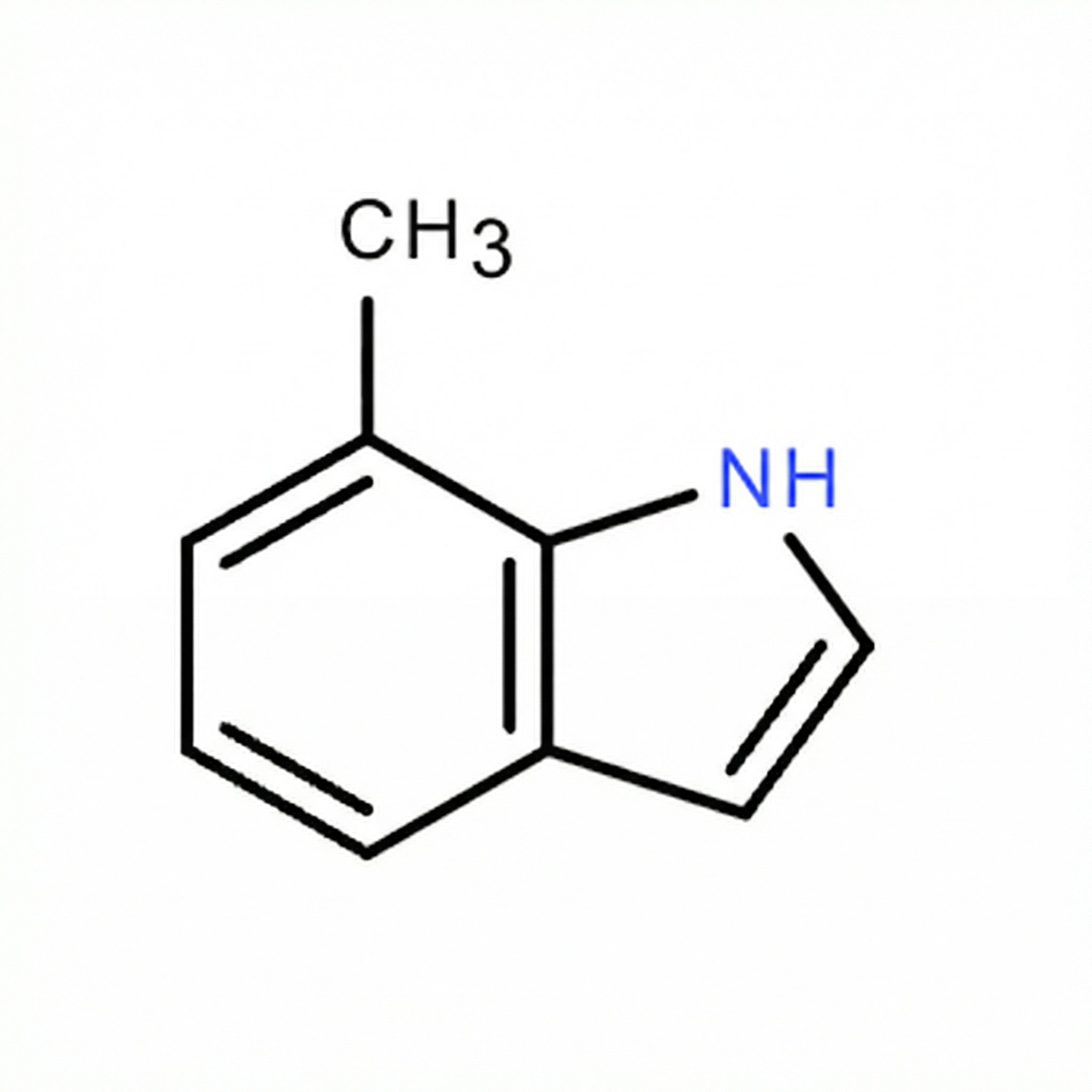
CAS番号933-67-5の7-メチルインドールは、医薬品合成およびファインケミカル製造における重要な中間体として広く認識されている高純度インドール誘導体です。当社は専門サプライヤーとして、製造工程全体を通して厳格な品質管理基準を遵守し、当社の7-メチルインドールが医薬品、農薬、および化学研究業界の厳しい要件を満たすことを保証しています。
もっと見る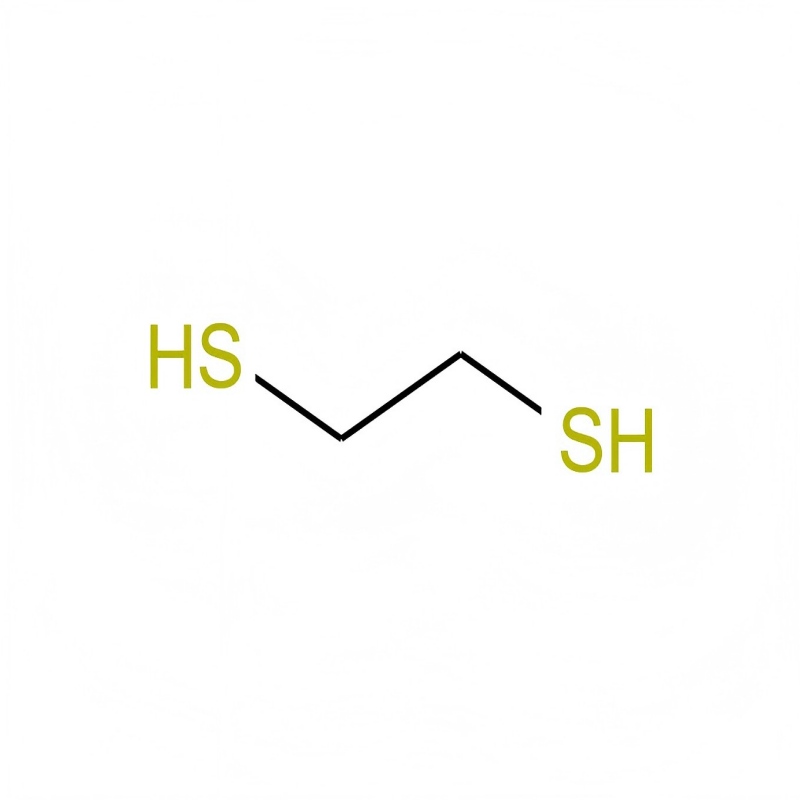
1,2-エタンジチオール(CAS 540-63-6)は、エチレン骨格に2つのチオール(-SH)基が結合した高純度の有機硫黄化合物で、透明から淡緑色の液体として存在する。純度99.9%(GC分析)という高純度を誇るこの多用途な化学物質は、有機合成、金属配位化学、医薬品製造において重要な構成要素として用いられます。 一貫性と信頼性を追求して設計された当社の1,2-エタンジチオールは、世界中の研究機関や工業規模の生産施設の厳しい品質要件を満たしており、多様な用途において正確かつ効率的な合成プロセスを可能にします。
もっと見る

製品に関するお問い合わせは、オンラインでご連絡ください。 inquiry@relybopharma.com



著作権
@ RELYBO PHARMACHEMICAL CO., LTD 無断転載を禁じます。
 ネットワーク対応
伝言を残す
WeChatにスキャン :

WhatsAppにスキャン :